Cats Fighting After Vet Visit? The Reintegration Protocol
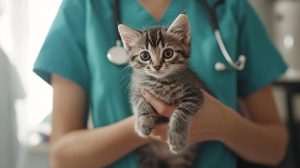
You took one cat to the vet for a routine checkup. You brought back a stranger. The hissing starts at the carrier door. A chase erupts. Suddenly, cats who have lived together peacefully for years are acting like sworn enemies. This isn’t a personality change—it’s Non-Recognition Aggression, a primal response to a “foreign” scent. The cat you took now smells of stress, illness, antiseptics, and other animals—a profound violation of the shared colony scent that defined your home’s peace.
This guide is your emergency protocol. It will help you safely reintegrate your returning cat and restore the social bond. The key is understanding this is not a behavioral problem; it is a scent crisis. We will solve it with scent management.
Why This Happens: The Colony Scent Betrayal
Cats in a stable group create a “colony scent”—a communal odor profile through allogrooming and rubbing. This scent is the bedrock of social recognition: “You smell like me, therefore you are safe.”
A vet visit coats your cat in alarming, alien smells:
-
Fear pheromones from the carrier and clinic.
-
Alcohol, disinfectants, and other chemical odors.
-
The scents of other stressed animals.
To the cat who stayed home, the returning housemate no longer smells like family. They smell like a territorial intruder. The instinctive response is defensive aggression to drive the “intruder” out. This is a hardwired survival mechanism, not spite.
The Reintegration Protocol: Step-by-Step
Act immediately. Do not let them “work it out.” Fighting will only cement the negative association and create lasting trauma.
Phase 0: Preparation (Before You Even Leave for the Vet)
-
Have a separate “reintegration room” ready (a bathroom, spare bedroom) with a litter box, water, food, and a bed.
-
Place the carrier in this room before you leave.
Phase 1: Immediate Isolation (The “Scent Decontamination” Period)
-
Upon returning home, take the returning cat directly to the reintegration
 room. Do not let them interact with the other cat(s).
 -
Close the door. Let the returning cat out of the carrier in this safe, isolated space.
-
This isolation serves two purposes:
-
It prevents a traumatic fight.
-
It allows the harsh “vet smells” to dissipate naturally and lets the cat’s own familiar scent re-emerge.
-
Phase 2: Scent Reunification (The 24-Hour Reset)
The goal is to rebuild the shared colony scent before they see each other.
-
Scent Swapping: Use separate socks or soft cloths. Gently rub one cloth on the returning cat’s cheeks and chin (where friendly scent glands are). Rub a second cloth on a resident cat. Swap these cloths.
-
Place the resident cat’s scent cloth under the returning cat’s food bowl.
-
Place the returning cat’s scent cloth under the resident cat’s food bowl.
-
Feed them at the same time on either side of the closed door. This rebuilds the positive association: “That foreign scent now brings me food.”
-
-
Site Swapping (Optional): After a few hours, you can confine the resident cat and let the returning cat explore the main house to redistribute its scent, then switch.
Phase 3: Controlled Visual Reintroduction (The Gate Phase)
Only proceed once both cats are calm, eating well, and not fixated on the door.
-
Use a baby gate, screen door, or crack the door 2 inches with a stopper.
-
Conduct short, supervised sessions (5 minutes).
-
Distract with high-value treats or a meal during the session. The goal is for them to see each other and think “Chicken!” not “Intruder!”
-
If you see staring, hissing, or growling, increase the distance (move bowls back) or end the session. You may need more scent swapping.
Phase 4: Supervised Mingling & Full Reintegration
If they are calm at the gate for 2-3 sessions, you can allow a brief, supervised meeting in a large space with escape routes.
-
Have interactive toys (wand toys) ready to create a positive, shared activity.
-
Keep it short (5-10 minutes). End on a positive note with treats.
-
Gradually increase the time over the next day.
Critical Do’s and Don’ts
DO:
-
Remain calm. Your anxiety will fuel theirs.
-
Use synthetic pheromones. Plug in a Feliway Friends or MultiCat diffuser in the common area 24 hours before the expected return, if possible.
-
Wipe down the returning cat with a pet-safe, unscented baby wipe or damp cloth before leaving the vet, focusing on the back and legs (avoid the face). This can remove some surface odors.
DON’T:
-
Let them fight it out. This will cause lasting damage to their relationship.
-
Punish either cat for hissing or growling. They are communicating fear.
-
Force interaction. Let the protocol set the pace.
-
Assume it’s permanent. With this protocol, most cats return to normal within 24-72 hours.
When to Seek Help
If aggression persists after 3-4 days of diligent protocol, or if serious injuries occur, you may be dealing with a deeper social instability or a redirected aggression event. Consider consulting a certified cat behaviorist.
Successfully navigating this crisis does more than end a fight; it strengthens your understanding of your cats’ delicate social world. The incident is a powerful reminder to monitor for the broader signs of a chronically stressed cat, as the anxiety from such an event can linger.
Having used the step-by-step peace treaty to stop cats from fighting, you’ve now seen firsthand how a structured protocol can rebuild a broken bond. Most importantly, this experience deepens your fluency in the silent dialogue between your pets.
By closely observing their post-reintroduction interactions, you’re actively practicing the essential skill of how to read cat body language, allowing you to catch the flicker of tension long before it sparks another flame.
Managing the Sensitive System
A multi-cat home is a delicate scent-based society. The vet visit protocol is a perfect example of proactive system management. By understanding the cause (scent betrayal) and applying a structured, scent-first reintroduction, you can navigate this common crisis without letting it unravel the peace you’ve worked so hard to build.
This is a core application of understanding multi-cat stress. For more on managing the emotional climate of your home, explore our Stress & System Dynamics Hub.
Return to MultiCatBehaviour.com for more systems-based crisis protocols.